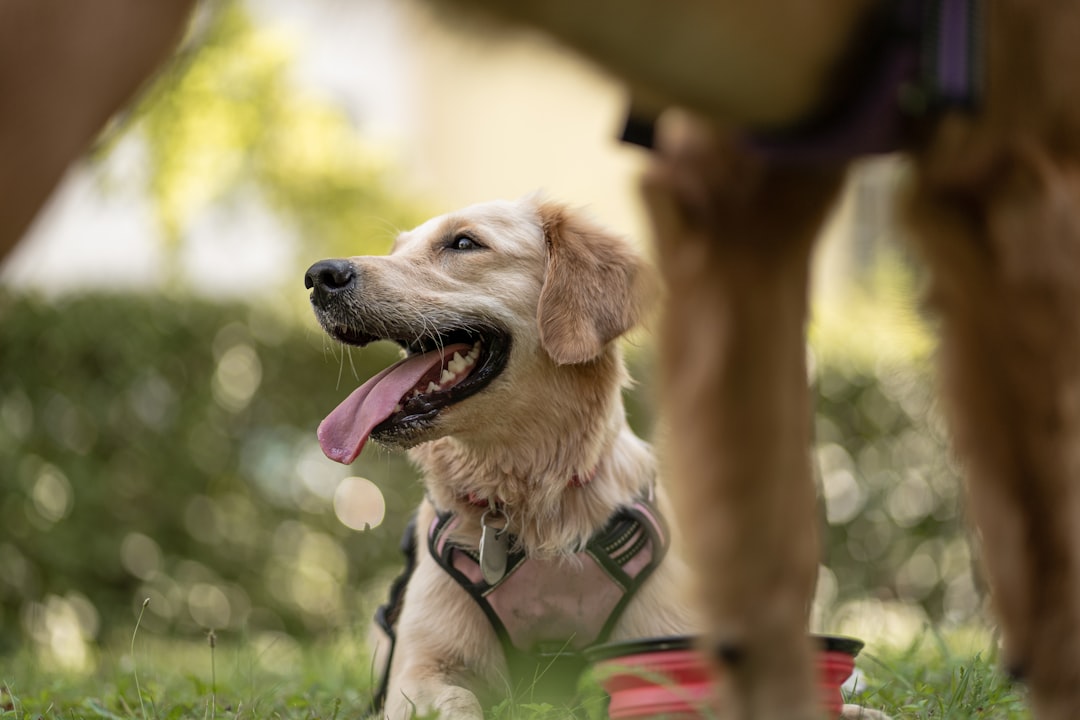
After fifteen years of service dog training and countless shelter visits, I have developed a systematic approach to identifying potential service dog candidates within shelter populations. My protocol balances scientific assessment with practical realities, acknowledging both the tremendous potential and inherent limitations of shelter-sourced candidates. The assessment framework I use today emerged from early failures, refined through hundreds of evaluations, and validated through long-term tracking of placement outcomes.
Shelter assessment represents one of the most challenging aspects of service dog candidate selection. Unlike purpose-bred dogs with known lineage and early socialization records, shelter dogs arrive with incomplete histories, variable stress responses, and unknown genetic predispositions. My methodology accounts for these variables while maintaining rigorous standards necessary for successful service dog development.
Shelter Assessment Foundation
My shelter assessment protocol begins with environmental evaluation before examining individual dogs. Shelter conditions significantly impact behavioral presentation, creating false positives and negatives in temperament assessment. I evaluate noise levels, kennel design, staff interaction patterns, and length of stay data before scheduling individual assessments.
The foundation of my assessment rests on stress recognition. Shelter environments create chronic stress responses that mask underlying temperament. Dogs exhibiting shut-down behaviors may possess excellent working potential, while seemingly confident dogs may be displaying stress-induced hypervigilance rather than true confidence. I have learned to differentiate between stress-induced behaviors and fundamental temperament traits through repeated exposure protocols.
My initial screening involves reviewing intake records, veterinary assessments, and staff behavioral notes. Dogs with documented aggression histories, resource guarding incidents, or fear-based reactivity receive modified assessment protocols or exclusion from consideration. Medical clearance becomes paramount, as undiagnosed pain or illness can dramatically alter behavioral presentation during evaluation.
Environmental assessment timing proves critical. I avoid assessments during high-traffic periods, feeding times, or immediately following kennel cleaning. Dogs require minimum two-hour acclimation periods following significant environmental disruptions. My most reliable assessments occur during mid-morning periods when shelter activity reaches baseline levels.
Temperament Testing Methodology
My temperament testing methodology incorporates modified Volhard Puppy Aptitude Test principles adapted for adult shelter dogs. The protocol includes social attraction assessment, following response evaluation, restraint acceptance, social dominance testing, and elevation tolerance measures. Each component receives numerical scoring with weighted factors based on intended service dog applications.
Social attraction testing reveals fundamental handler orientation. I position myself across a neutral room and call the dog using encouraging vocal tones without food rewards or physical gestures. Ideal candidates demonstrate immediate interest, approach with confident body language, and maintain engagement without environmental distraction. Dogs exhibiting avoidance, excessive submission, or hyperarousal receive modified scoring based on stress factor analysis.
Following response assessment measures handler focus and environmental awareness simultaneously. Using standard heel position, I walk predetermined patterns while observing the dog's attention allocation between handler movement and environmental stimuli. Service dog candidates must demonstrate natural handler orientation while maintaining situational awareness appropriate for public access work.
Restraint acceptance protocols simulate handling requirements necessary for medical alert dogs, mobility assistance dogs, and guide dogs. I apply gentle restraint to various body regions while monitoring stress responses, recovery time, and handler seeking behaviors. Dogs demonstrating panic responses, aggressive reactions, or prolonged stress recovery typically require elimination from consideration regardless of other positive attributes.
Sound sensitivity assessment incorporates graduated exposure to metallic sounds, sudden noises, and environmental audio typical of public spaces. My protocol includes dropping keys, closing doors, rolling shopping carts, and playing recorded airport announcements at various volumes. Recovery time and handler seeking behavior during sound exposure provide critical data for public access suitability prediction.
Age Considerations and Development Factors
Age considerations in shelter candidate selection require understanding critical development periods and their impact on training potential. My experience indicates optimal shelter selection occurs between eight months and three years of age, balancing neurological development completion with sufficient training time for working career establishment.
Puppies under six months from shelter environments present significant challenges due to unknown socialization experiences during critical periods. While puppy neuroplasticity offers training advantages, missed socialization opportunities often create insurmountable obstacles for public access work. I typically avoid shelter puppies for service dog development unless extensive early intervention resources exist.
Adult dogs between one and three years demonstrate established temperament patterns while retaining learning flexibility necessary for complex task training. This age range allows accurate assessment of mature behavioral responses while providing eight to ten years of potential working life. Dogs approaching four years require accelerated training timelines but may offer exceptional stability for specific handler needs.
Senior dogs over five years receive consideration only for specific applications requiring minimal physical demands. While senior dogs often demonstrate excellent emotional stability and handler focus, shortened working careers and increased medical considerations limit placement opportunities. My protocol includes comprehensive veterinary assessment for any candidate over four years of age.
Adolescent dogs between six months and eighteen months present unique assessment challenges. Hormonal influences, fear period navigation, and developing independence drives can mask underlying temperament traits. I typically recommend extended foster evaluation periods for adolescent candidates before final selection decisions.
Breed Prediction Limitations
Breed prediction in shelter populations presents significant limitations that impact candidate selection decisions. Visual breed identification accuracy rates hover around thirty percent even among experienced professionals, creating unreliable foundation for temperament predictions. My assessment protocol prioritizes individual evaluation over breed assumptions while acknowledging genetic predisposition influences.
Mixed breed dogs comprise approximately seventy-five percent of shelter populations, making ancestry determination nearly impossible through visual assessment alone. Genetic testing provides some clarification but reveals surprising breed combinations that challenge traditional working dog stereotypes. I have successfully placed mixed breed dogs containing minimal traditional service dog genetics in demanding roles.
Size predictions for mixed breed puppies and young adults create practical challenges for mobility assistance applications. Weight estimation errors can eliminate otherwise excellent candidates when adult size exceeds handler requirements. My protocol includes veterinary consultation for growth prediction when size parameters create selection criteria boundaries.
Breed-specific legislation considerations impact placement decisions regardless of actual genetics. Mixed breed dogs resembling restricted breeds face housing limitations, insurance complications, and public access challenges that compromise working effectiveness. I maintain documentation supporting breed identification for all placements in jurisdictions with breed restrictions.
Working line versus pet line genetics within purebred shelter dogs create assessment complications. Shelter surrendered dogs from working backgrounds may demonstrate drive levels unsuitable for traditional pet homes but excellent for service work. Conversely, dogs from pet breeding programs may lack working motivation despite appropriate breed selection.
Ethical Considerations in Shelter Selection
Ethical considerations in shelter candidate selection require balancing service dog program needs with shelter animal welfare responsibilities. My approach prioritizes long-term animal welfare while maintaining program integrity and handler safety requirements. These decisions often create difficult choices between individual animal outcomes and program success rates.
Adoption pressure from shelter staff and volunteers can influence selection decisions inappropriately. Emotional appeals regarding euthanasia timelines or special needs create pressure to lower assessment standards, potentially compromising handler safety and animal welfare. I maintain professional boundaries while educating shelter personnel about service dog requirements and selection criteria.
Failed service dog candidates require placement planning before selection decisions. Dogs eliminated during training phases need appropriate homes matching their temperament and training level. I maintain waiting lists of qualified pet homes and coordinate with shelter return policies to ensure successful outcomes for unsuccessful candidates.
Resource allocation ethics require considering opportunity costs of shelter selection versus purpose-bred alternatives. Time invested in shelter candidate assessment and development could support multiple purpose-bred dogs with higher success probabilities. I balance community service aspects of shelter adoption with program efficiency requirements and handler needs.
Transparency with potential handlers about shelter origin and associated risks creates informed consent opportunities. Handlers deserve complete information about success rate differences between shelter-sourced and purpose-bred candidates. My practice includes detailed discussions about timeline expectations, failure possibilities, and alternative options before shelter selection agreements.
Failure Rates and Realistic Outcomes
Honest assessment of failure rates provides essential context for shelter-based service dog programs. My tracking data indicates shelter-sourced candidates demonstrate sixty-five percent completion rates compared to eighty-five percent for purpose-bred dogs from established breeding programs. Understanding these statistics helps set appropriate expectations for all stakeholders involved in the process.
Medical elimination rates increase significantly in shelter populations due to unknown genetic backgrounds and early life experiences. Orthopedic issues, hereditary conditions, and stress-related health problems appear more frequently in shelter dogs despite initial veterinary clearance. I budget additional veterinary costs and extended evaluation periods for shelter-sourced candidates.
Behavioral elimination factors differ between shelter and purpose-bred populations. While purpose-bred dogs typically fail for drive or motivation issues, shelter dogs more commonly eliminate for fear-based behaviors, aggression potential, or environmental reactivity. These behavioral challenges often emerge months into training as stress levels decrease and true temperament appears.
Timeline extensions represent the most common outcome difference between shelter and purpose-bred programs. Shelter dogs typically require six to twelve additional months of training time to achieve equivalent proficiency levels. Extended timelines impact program costs, handler waiting periods, and resource allocation decisions across entire organizations.
Success rate variations exist within shelter populations based on assessment criteria refinement. Dogs scoring above eighty percent on my temperament evaluation demonstrate success rates approaching purpose-bred standards. Candidates scoring between sixty and seventy percent show completion rates below forty percent, indicating clear assessment threshold importance.
Documentation and Tracking Protocol
Comprehensive documentation supports continuous protocol refinement and success rate improvement over time. My tracking system includes initial assessment scores, training milestone achievements, elimination reasons, and long-term placement outcomes. This data informs selection criteria adjustments and identifies predictive assessment components.
Video documentation of assessment sessions provides review opportunities and trainer education materials. Recording behavioral responses during specific test components allows detailed analysis and scoring verification. I maintain video libraries organized by assessment outcomes for training purposes and protocol development.
Medical documentation tracking includes initial veterinary assessments, genetic testing results, and health issues emerging during training periods. Correlating medical eliminations with assessment findings helps identify early warning indicators and improve candidate screening protocols. Veterinary partnerships support comprehensive health monitoring throughout the evaluation process.
Long-term outcome tracking extends beyond initial placement to monitor working life span, career changes, and retirement planning. Shelter-sourced dogs may demonstrate different working longevity patterns compared to purpose-bred alternatives. This data supports realistic timeline projections and retirement planning for handlers and organizations.
Handler feedback documentation captures subjective experiences with shelter-sourced dogs including bonding timelines, training challenges, and public perception issues. Handler perspectives inform program modifications and support services development. Regular follow-up surveys provide ongoing data collection supporting protocol refinement and success optimization.